

We are going to add a crucial element: the activation function. This function will allow us to modify the output to suit our problem, in this case the classification of multiple classes.
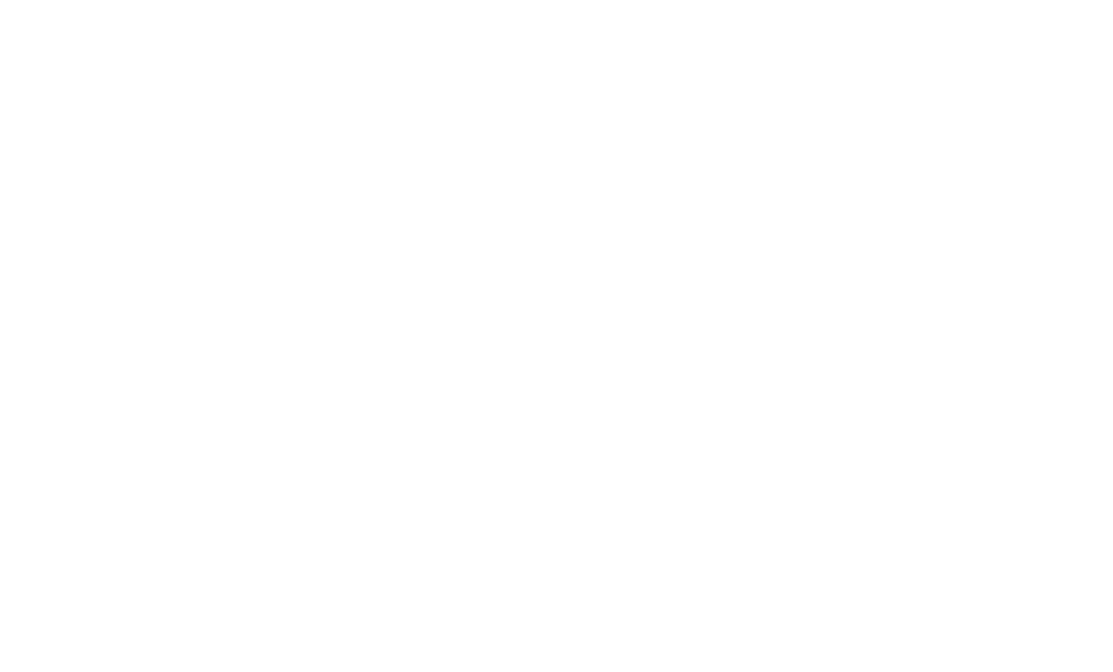

The softmax function will allow us to convert an input into the probability of remaining in the classes.
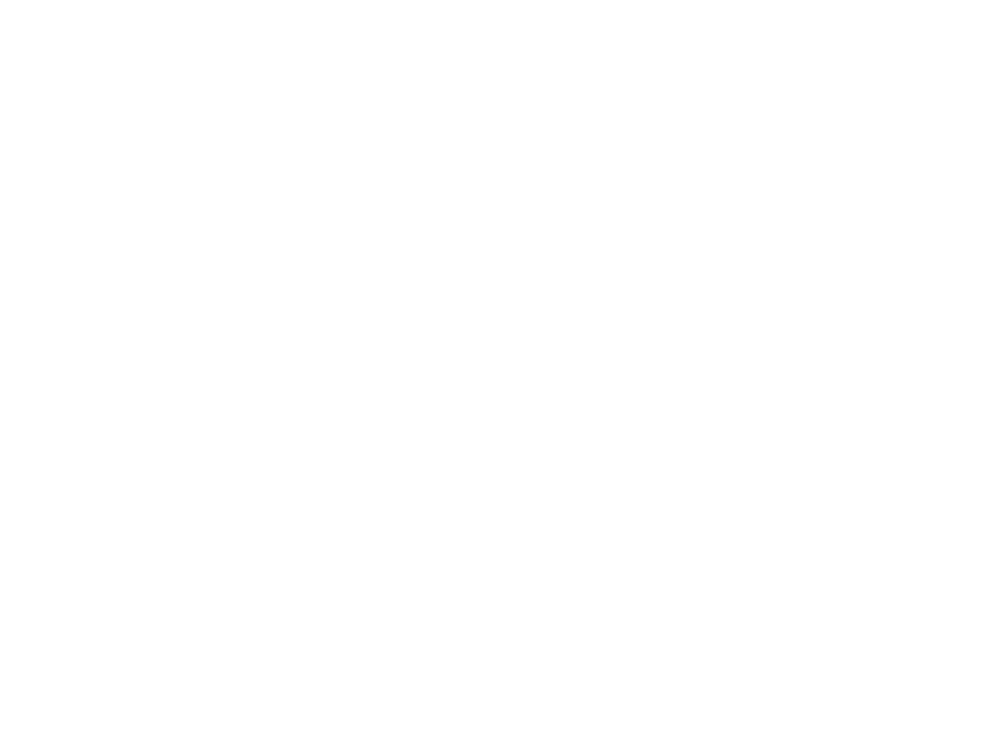

We can interpret the perceptron with softmax as a dense layer and an activation layer, this interpretation will be useful later in chapter 3.
Purpose of this Notebook:
The purposes of this notebook are:
Create a dataset for classification regression task
Create our own Perceptron class from scratch
Add Softmax function as activation function from scratch
Calculate the gradient descent from scratch
Train our Perceptron
Compare our Perceptron to the one prebuilt by PyTorch
[Extra] Calculate the gradient descent by another way
import torch
from torch import nn

from platform import python_version
python_version(), torch.__version__
('3.14.7', '2.12.0+cpu')device = 'cpu'
if torch.cuda.is_available():
device = 'cuda'
device'cpu'torch.set_default_dtype(torch.float64)def add_to_class(Class):
"""Register functions as methods in created class."""
def wrapper(obj):
setattr(Class, obj.__name__, obj)
return wrapperDataset
create dataset
where is the number of classes.
from sklearn.datasets import make_classification

M: int = 10_100 # number of samples
N: int = 5 # number of input features
CLASSES: int = 3 # number of classes

X, Y = make_classification(
    n_samples=M,
    n_features=N,
    n_classes=CLASSES,
    n_informative=N - 1,
    n_redundant=0
)

print(X.shape)
print(Y.shape)
(10100, 5)
(10100,)
one hot encoding
Y_hat = nn.functional.one_hot(
    torch.tensor(Y, device=device).long(),
    CLASSES
).type(torch.float32)
Y_hat.shape
torch.Size([10100, 3])split dataset into train and valid
X_train = torch.tensor(X[:100], device=device)
X_valid = torch.tensor(X[100:], device=device)
X_train.shape, X_valid.shape
(torch.Size([100, 5]), torch.Size([10000, 5]))Y_train, Y_valid = Y_hat[:100], Y_hat[100:]
Y_train.shape, Y_valid.shape(torch.Size([100, 3]), torch.Size([10000, 3]))delete raw dataset
del X
del Y
del Y_hatModel
weights and bias
class SoftmaxClassifier:
    def __init__(self, n_features: int, n_classes: int):
        self.w = torch.randn(n_features, n_classes, device=device)
        self.b = torch.randn(n_classes, device=device)

    def copy_params(self, torch_layer: nn.modules.linear.Linear):
        """
        Copy the parameters from a module.linear to this model.

        Args:
            torch_layer: Pytorch module from which to copy the parameters.
        """
        self.b.copy_(torch_layer.bias.detach().clone())
        self.w.copy_(torch_layer.weight.T.detach().clone())
weighted sum and softmax function
weighted sum
softmax function
then
therefore
@add_to_class(SoftmaxClassifier)
def predict(self, x: torch.Tensor) -> torch.Tensor:
    """
    Predict the output for input x.

    Args:
        x: Input tensor of shape (n_samples, n_features).

    Returns:
        y_pred: Predicted output tensor of shape (n_samples, n_classes).
    """
    # weighted sum
    z = torch.matmul(x, self.w) + self.b
    # avoid underflow and overflow
    z_norm = z - torch.max(z, dim=1, keepdims=True)[0]
    # softmax function
    z_exp = torch.exp(z_norm)
    return z_exp / z_exp.sum(1, keepdims=True) # y_pred
Cross-entropy loss
Cross-entropy loss
Remark: for this case is .
It is not mandatory to use softmax for cross-entropy loss,
but some modules like PyTorch require softmax to use cross-entropy loss.
Vectorized form
or
@add_to_class(SoftmaxClassifier)
def cross_entropy_loss(self, y_true: torch.Tensor, y_pred: torch.Tensor) -> float:
    """
    CE loss function between target y_true and y_pred.

    Args:
        y_true: Target tensor of shape (n_samples, n_classes).
        y_pred: Predicted tensor of shape (n_samples, n_classes).

    Returns:
        loss: CE loss between predictions and true values.
    """
    loss = y_true * torch.log(y_pred)
    return - loss.sum().item() / len(y_true)

@add_to_class(SoftmaxClassifier)
def evaluate(self, x: torch.Tensor, y_true: torch.Tensor) -> float:
    """
    Evaluate the model on input x and target y_true using CE.

    Args:
        x: Input tensor of shape (n_samples, n_features).
        y_true: Target tensor of shape (n_samples, n_classes).

    Returns:
        loss: CE loss between predictions and true values.
    """
    y_pred = self.predict(x)
return self.cross_entropy_loss(y_true, y_pred)Gradient
Cross-entropy derivative
for all and .
Remark: must be different of 0, . Softmax returns positive real values, .
In general
Note: is element-wise divide.
softmax derivative
for all and .
where
therefore
Check softmax function and its derivative for more information about the softmax derivative.
In general
where .
weighted sum derivative
respect to bias
for all .
In general
where .
respect to weight
for all and .
In general
@add_to_class(SoftmaxClassifier)
def update(self, x: torch.Tensor, y_true: torch.Tensor,
           y_pred: torch.Tensor, lr: float) -> None:
    """
    Update the model parameters.

    Args:
       x: Input tensor of shape (n_samples, n_features).
       y_true: Target tensor of shape (n_samples, n_classes).
       y_pred: Predicted output tensor of shape (n_samples, n_classes).
       lr: Learning rate.
    """
    # cross entropy der
    delta = -(y_true / y_pred) / len(y_true)
    # softmax der
    delta = y_pred * (delta - (delta * y_pred).sum(axis=1, keepdims=True))
    # weighted sum der
    self.b -= lr * delta.sum(axis=0)
    self.w -= lr * (x.T @ delta)
metric: accuracy
@add_to_class(SoftmaxClassifier)
def accuracy(self, y_true, y_pred) -> float:
    preds = y_pred.argmax(axis=-1)
    compare = (y_true.argmax(axis=-1) == preds).type(torch.float32)
    return compare.mean().item()
fit (train)
@add_to_class(SoftmaxClassifier)
def fit(self, x_train: torch.Tensor, y_train: torch.Tensor,
        epochs: int, lr: float, batch_size: int,
        x_valid: torch.Tensor, y_valid: torch.Tensor) -> None:
    """
    Fit the model using gradient descent.

    Args:
        x_train: Input tensor of shape (n_samples, num_features).
        y_train: Target tensor one hot of shape (n_samples, n_classes).
        epochs: Number of epochs to train.
        lr: learning rate).
        batch_size: Int number of batch.
        x_valid: Input tensor of shape (n_valid_samples, num_features).
        y_valid: Input tensor one hot of shape (n_valid_samples, n_valid_classes).
    """
    for epoch in range(epochs):
        loss = []
        for batch in range(0, len(y_train), batch_size):
            batch_end = batch + batch_size

            y_pred = self.predict(x_train[batch:batch_end])
            loss.append(self.evaluate(
                x_train[batch:batch_end],
                y_train[batch:batch_end]
            ))

            self.update(
                x_train[batch:batch_end],
                y_train[batch:batch_end],
                y_pred, lr
            )

        loss = round(sum(loss) / len(loss), 4)
        loss_v = round(self.evaluate(x_valid, y_valid), 4)
        acc = round(self.accuracy(y_valid, self.predict(x_valid)), 4)
        print(f'epoch: {epoch} - CE: {loss} - CE_v: {loss_v} - acc_v: {acc}')
Scratch vs nn
nn model
Important: nn.CrossEntropyLoss applies Softmax to input
class TorchSoftmax(nn.Module):
    def __init__(self, n_features, n_out_features):
        super(TorchSoftmax, self).__init__()
        self.layer = nn.Linear(n_features, n_out_features, device=device)
        self.soft = nn.Softmax(dim=1)
        self.loss = nn.CrossEntropyLoss()

    def forward(self, x):
        z = self.layer(x)
        return self.soft(z)

    def evaluate(self, x, y):
        self.eval()
        with torch.no_grad():
            y_pred = self.layer(x)
            # do not use self.soft because nn.CrossEntropyLoss already uses softmax
            return self.loss(y_pred, y).item()

    def fit(self, x, y, epochs, lr, batch_size, x_valid, y_valid):
        optimizer = torch.optim.SGD(self.parameters(), lr=lr)
        for epoch in range(epochs):
            loss_t = []
            for batch in range(0, len(y), batch_size):
                batch_end = batch + batch_size

                y_pred = self.layer(x[batch:batch_end])
                loss = self.loss(y_pred, y[batch:batch_end])
                loss_t.append(loss.item())

                optimizer.zero_grad()
                loss.backward()
                optimizer.step()

            loss_t = round(sum(loss_t) / len(loss_t), 4)
            loss_v = round(self.evaluate(x_valid, y_valid), 4)
            print(f'epoch: {epoch} - CE: {loss_t} - CE_v: {loss_v}')
torch_model = TorchSoftmax(N, CLASSES)scratch model
model = SoftmaxClassifier(N, CLASSES)evals
import MAPE modified
# This cell imports torch_mape
# if you are running this notebook locally
# or from Google Colab.

import os
import sys

module_path = os.path.abspath(os.path.join('..'))
if module_path not in sys.path:
    sys.path.append(module_path)

try:
    from tools.torch_metrics import torch_mape as mape
    print('mape imported locally.')
except ModuleNotFoundError:
    import subprocess

    repo_url = 'https://raw.githubusercontent.com/PilotLeoYan/inside-deep-learning/main/content/tools/torch_metrics.py'
    local_file = 'torch_metrics.py'

    subprocess.run(['wget', repo_url, '-O', local_file], check=True)
    try:
        from torch_metrics import torch_mape as mape # type: ignore
        print('mape imported from GitHub.')
    except Exception as e:
        print(e)
mape imported locally.
predict
mape(
    model.predict(X_valid),
    torch_model(X_valid)
)2.283273950528358copy parameters
model.copy_params(torch_model.layer)
parameters = (model.b.clone(), model.w.clone())
predict after copy parameters
mape(
    model.predict(X_valid),
    torch_model(X_valid)
)3.302948811450026e-17CE
mape(
    model.evaluate(X_valid, Y_valid),
    torch_model.evaluate(X_valid, Y_valid)
)0.0train
LR = 0.01
EPOCHS = 16
BATCH = len(X_train) // 3
torch_model.fit(
X_train, Y_train,
EPOCHS, LR, BATCH,
X_valid, Y_valid
)epoch: 0 - CE: 1.572 - CE_v: 1.8893
epoch: 1 - CE: 1.4875 - CE_v: 1.8393
epoch: 2 - CE: 1.419 - CE_v: 1.7933
epoch: 3 - CE: 1.3625 - CE_v: 1.7506
epoch: 4 - CE: 1.3148 - CE_v: 1.7106
epoch: 5 - CE: 1.2736 - CE_v: 1.673
epoch: 6 - CE: 1.2374 - CE_v: 1.6375
epoch: 7 - CE: 1.2051 - CE_v: 1.6037
epoch: 8 - CE: 1.176 - CE_v: 1.5717
epoch: 9 - CE: 1.1494 - CE_v: 1.5411
epoch: 10 - CE: 1.1249 - CE_v: 1.512
epoch: 11 - CE: 1.1024 - CE_v: 1.4842
epoch: 12 - CE: 1.0814 - CE_v: 1.4577
epoch: 13 - CE: 1.062 - CE_v: 1.4324
epoch: 14 - CE: 1.0438 - CE_v: 1.4083
epoch: 15 - CE: 1.0268 - CE_v: 1.3852
model.fit(
    X_train, Y_train,
    EPOCHS, LR, BATCH,
    X_valid, Y_valid
)
epoch: 0 - CE: 1.572 - CE_v: 1.8893 - acc_v: 0.1408
epoch: 1 - CE: 1.4875 - CE_v: 1.8393 - acc_v: 0.1506
epoch: 2 - CE: 1.419 - CE_v: 1.7933 - acc_v: 0.161
epoch: 3 - CE: 1.3625 - CE_v: 1.7506 - acc_v: 0.1701
epoch: 4 - CE: 1.3148 - CE_v: 1.7106 - acc_v: 0.179
epoch: 5 - CE: 1.2736 - CE_v: 1.673 - acc_v: 0.1862
epoch: 6 - CE: 1.2374 - CE_v: 1.6375 - acc_v: 0.193
epoch: 7 - CE: 1.2051 - CE_v: 1.6037 - acc_v: 0.1992
epoch: 8 - CE: 1.176 - CE_v: 1.5717 - acc_v: 0.2063
epoch: 9 - CE: 1.1494 - CE_v: 1.5411 - acc_v: 0.2142
epoch: 10 - CE: 1.1249 - CE_v: 1.512 - acc_v: 0.2205
epoch: 11 - CE: 1.1024 - CE_v: 1.4842 - acc_v: 0.2255
epoch: 12 - CE: 1.0814 - CE_v: 1.4577 - acc_v: 0.2317
epoch: 13 - CE: 1.062 - CE_v: 1.4324 - acc_v: 0.2384
epoch: 14 - CE: 1.0438 - CE_v: 1.4083 - acc_v: 0.2462
epoch: 15 - CE: 1.0268 - CE_v: 1.3852 - acc_v: 0.2556
predict after train
mape(
    model.predict(X_valid),
    torch_model.forward(X_valid)
)1.35383281674615e-16weight
mape(
    model.w.clone(),
    torch_model.layer.weight.detach().T
)1.5600348830805582e-16bias
mape(
    model.b.clone(),
    torch_model.layer.bias.detach()
)7.66750107073557e-17Compute gradient with einsum
Gradient descent is
and
where their shapes are
Then we have 2 cases
and
First case
Second case
Weighted sum derivative
for all and
therefore using Einstein summation
and
Model
class EinsumSoftmaxClassifier(SoftmaxClassifier):
    def update(self, x: torch.Tensor, y_true: torch.Tensor,
           y_pred: torch.Tensor, lr: float) -> None:
        """
        Update the model parameters.

        Args:
            x: Input tensor of shape (n_samples, n_features).
            y_true: Target tensor of shape (n_samples, n_classes).
            y_pred: Predicted output tensor of shape (n_samples, n_classes).
            lr: Learning rate.
        """
        m, n_classes = y_true.shape
        # cross entropy der
        delta = -(y_true / y_pred) / m
        # softmax der
        diag_a = torch.diag_embed(y_pred)
        outer_a = torch.einsum('ij,ik->ijk', y_pred, y_pred)
        soft_der = torch.zeros(
            (m, n_classes, m, n_classes),
            dtype=y_pred.dtype,
            device=device
        )
        idx = torch.arange(m, device=device)
        soft_der[idx, :, idx, :] = diag_a - outer_a
        delta = torch.einsum('pq,pqij->ij', delta, soft_der)
        # weighted sum der
        self.b -= lr * delta.sum(axis=0)

        identity = torch.eye(n_classes, device=device)
        w_der = torch.kron(
            x.unsqueeze(1).unsqueeze(3),
            identity.unsqueeze(0).unsqueeze(2)
        )
        w_der = torch.einsum('pq,pqij->ij', delta, w_der)
        self.w -= lr * w_der
einsum_model = EinsumSoftmaxClassifier(N, CLASSES)
einsum_model.b.copy_(parameters[0])
einsum_model.w.copy_(parameters[1])tensor([[-0.2256, -0.1411, 0.3085],
[ 0.0310, -0.1917, 0.2306],
[-0.2142, 0.4443, 0.3190],
[ 0.3056, -0.2796, -0.1243],
[ 0.2665, 0.3218, -0.4009]])einsum_model.fit(
X_train, Y_train,
EPOCHS, LR, BATCH,
X_valid, Y_valid
)epoch: 0 - CE: 1.572 - CE_v: 1.8893 - acc_v: 0.1408
epoch: 1 - CE: 1.4875 - CE_v: 1.8393 - acc_v: 0.1506
epoch: 2 - CE: 1.419 - CE_v: 1.7933 - acc_v: 0.161
epoch: 3 - CE: 1.3625 - CE_v: 1.7506 - acc_v: 0.1701
epoch: 4 - CE: 1.3148 - CE_v: 1.7106 - acc_v: 0.179
epoch: 5 - CE: 1.2736 - CE_v: 1.673 - acc_v: 0.1862
epoch: 6 - CE: 1.2374 - CE_v: 1.6375 - acc_v: 0.193
epoch: 7 - CE: 1.2051 - CE_v: 1.6037 - acc_v: 0.1992
epoch: 8 - CE: 1.176 - CE_v: 1.5717 - acc_v: 0.2063
epoch: 9 - CE: 1.1494 - CE_v: 1.5411 - acc_v: 0.2142
epoch: 10 - CE: 1.1249 - CE_v: 1.512 - acc_v: 0.2205
epoch: 11 - CE: 1.1024 - CE_v: 1.4842 - acc_v: 0.2255
epoch: 12 - CE: 1.0814 - CE_v: 1.4577 - acc_v: 0.2317
epoch: 13 - CE: 1.062 - CE_v: 1.4324 - acc_v: 0.2384
epoch: 14 - CE: 1.0438 - CE_v: 1.4083 - acc_v: 0.2462
epoch: 15 - CE: 1.0268 - CE_v: 1.3852 - acc_v: 0.2556
mape(
    einsum_model.w.clone(),
    torch_model.layer.weight.detach().T
)2.1556410508718776e-16mape(
einsum_model.b.clone(),
torch_model.layer.bias.detach()
)7.56436911839403e-17